


Maha Shivratri, or “The Great Night of Shiva,” is one of the most revered Hindu festivals dedicated to Lord Shiva. Observed annually in the months of Phalguna or Magha (February–March), it is a night of devotion, reflection, and spiritual awakening.
The festival holds immense cultural and spiritual significance across India and is celebrated with deep reverence by millions.
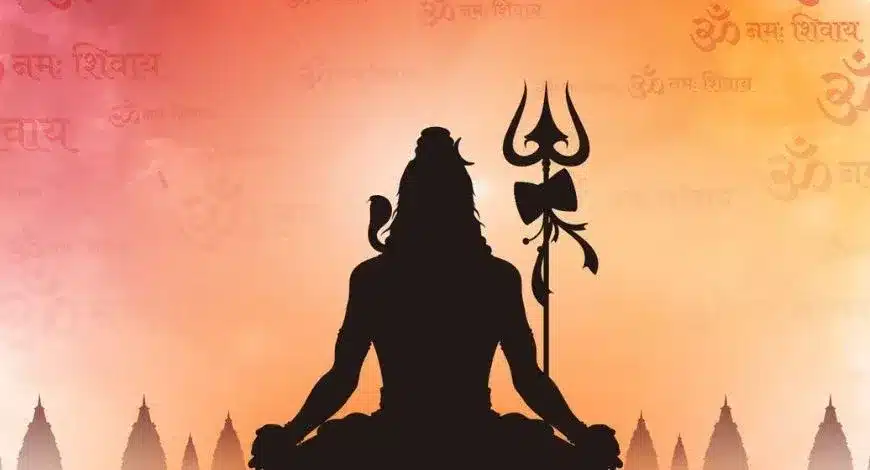
Why Maha Shivratri Is Celebrated
1. The Divine Union of Shiva and Parvati
Many traditions believe Maha Shivratri marks the sacred marriage of Lord Shiva and Goddess Parvati, symbolising harmony, balance, and the unification of energies.
2. Shiva’s Cosmic Dance (Tandava)
Another belief links the festival to Shiva performing the Tandava, representing the rhythmic cycle of creation, preservation, and dissolution.
3. Shiva’s Act of Protection
According to mythology surrounding the Samudra Manthan (ocean churning), Shiva consumed the deadly poison Halahala to save the universe. Maha Shivratri honors this act of selflessness.
4. A Journey from Darkness to Light
The festival is widely viewed as a reminder to rise above ignorance, ego, and negativity, and seek clarity, peace, and inner transformation.
Significance of the Festival
- A Night of Spiritual AwakeningStaying awake in meditation is believed to increase alertness and elevate inner consciousness.
- Symbol of Self‑Discipline and DevotionFasting and prayer encourage mindfulness and spiritual focus.
- Reminder of Balance and SimplicityShiva represents stillness and inner calm; Maha Shivratri symbolizes reconnecting with these values.
- Cultural UnityCelebrated across regions with unique rituals, it brings communities together in prayer, music, and tradition.
How Maha Shivratri Is Celebrated
The festival is observed with devotion, discipline, and cultural vibrance. Common practices include:
• Fasting (Upvas)
Devotees observe a fast—some take fruits and milk, while others follow a complete fast—to promote focus and inner purification.
• Night‑Long Vigil (Jagran)
People stay awake through the night, engaging in prayer, chanting, and meditation. Many believe staying alert symbolizes overcoming darkness.
• Rudra Abhishekam
The Shiva Lingam is ceremonially bathed with water, milk, curd, honey, ghee, and sugar, along with offerings of bel leaves, flowers, and fruits.
• Chanting of Mantras
Devotees chant “Om Namah Shivaya”, believed to bring mental clarity, calmness, and spiritual strength.
• Temple Visits and Community Gatherings
Temples host special rituals, cultural performances, and discourses. Many remain open all night for devotees.
• Meditation and Introspection
For many, the festival is a day of silence, reflection, and seeking spiritual balance.
• Regional Traditions
Different parts of India celebrate with unique customs—folk dances, fairs, storytelling, and community feasts.
Beliefs and Cultural Practices
- Offering bel leaves, considered sacred to Shiva
- Lighting lamps and incense
- Listening to devotional music and hymns
- Participating in community pujas
- Practicing silence, self‑restraint, and gratitude
These practices reflect devotion, cultural heritage, and a collective aspiration for inner peace and positivity.
In Essence
Maha Shivratri is a celebration of faith, introspection, and transformation.
A night that invites individuals to pause, reflect, and embrace harmony—within themselves and with the world.
For devotees and communities alike, it is a reminder of the timeless values of peace, devotion, balance, and spiritual clarity.